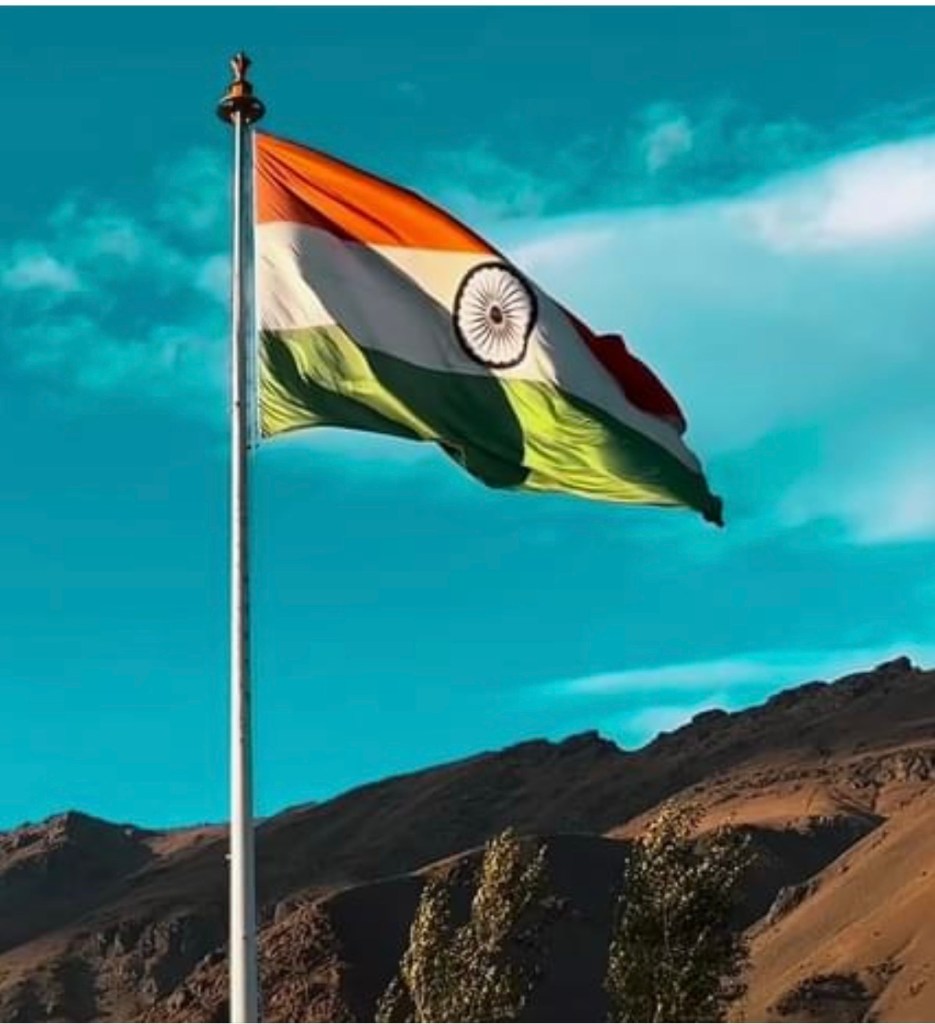
On 15 August 1947, India emerged from the shadows of colonial rule, reclaiming its sovereignty after nearly 200 years of British dominion. This day marks more than just the birth of a nation; it is a testament to the resilience, sacrifice, and unyielding spirit of millions of Indians who dared to dream of freedom. As India celebrates its 78th Independence Day in 2024, it is essential to reflect on the significance of this historic day, not just for India but for the world, and to chart the way forward in a rapidly changing global landscape.
The Significance of Independence Day
Independence Day is more than a national holiday; it is a day of remembrance and gratitude. It honors the countless men and women who sacrificed their lives, careers, and families to secure a free future for the generations to come. The importance of this day lies in its reminder of the values that form the bedrock of India’s democracy—justice, equality, and fraternity.
For India, Independence Day is a celebration of unity in diversity. It serves as a reminder of the country’s ability to maintain cohesion despite its myriad cultures, languages, and religions. For the world, India’s independence was a pivotal moment in the decolonization process, inspiring many other nations to fight for their freedom and self-determination. The Indian independence movement, grounded in principles of non-violence and civil disobedience, set a precedent for peaceful resistance that has influenced civil rights movements worldwide.
The Sacrifices of the Indian Freedom Struggle
The road to independence was paved with the sacrifices of countless freedom fighters, both famous and unsung. Leaders like Mahatma Gandhi, whose philosophy of non-violence became the cornerstone of the independence movement, and Netaji Subhas Chandra Bose, who galvanized the Indian National Army with the slogan “Give me blood, and I will give you freedom,” are revered for their pivotal roles. However, the struggle for freedom was not confined to the leadership alone.
Thousands of ordinary Indians—farmers, laborers, students, and women—contributed to the cause in their own ways. The Jallianwala Bagh massacre of 1919, where hundreds of unarmed civilians were brutally killed, stands as a stark reminder of the cruelty of colonial rule and the heavy price paid for freedom. The Quit India Movement of 1942 saw mass arrests, brutal crackdowns, and the rise of underground resistance that kept the flame of freedom alive.
Women, too, played a crucial role in the freedom struggle. Figures like Sarojini Naidu, Aruna Asaf Ali, and Rani Lakshmibai not only participated in but also led various facets of the movement, challenging societal norms and asserting their rightful place in the fight for freedom. Their contributions were instrumental in ensuring that the dream of an independent India was realized.
India’s Independence and Its Global Impact
India’s independence had far-reaching implications beyond its borders. As the first significant nation to gain independence through largely non-violent means, India became a beacon of hope for other colonized nations. The global community watched as India navigated its newfound freedom, laying down a blueprint for peaceful resistance and democratic governance.
India’s leadership in the Non-Aligned Movement during the Cold War era further solidified its role as a champion of sovereignty and self-determination. The country’s independence and subsequent emergence as a key player on the global stage have influenced international relations, trade, and the broader discourse on human rights and democracy.
The Way Forward
As India stands at the crossroads of its 77th year of independence, the challenges ahead are as daunting as those faced in the past. The nation must navigate its path with a focus on inclusivity, sustainability, and innovation. The dream of a truly independent India is not just political but economic and social as well. Bridging the gap between urban and rural India, ensuring access to education and healthcare for all, and fostering an environment of innovation are key areas that require attention.
On the global stage, India must continue to assert its role as a leader in promoting peace, climate action, and equitable development. As one of the world’s largest democracies and fastest-growing economies, India’s actions and policies will have significant implications for global stability and prosperity.
Conclusion
India’s Independence Day is a celebration of the past, a reflection of the present, and a vision for the future. It is a day to honor the sacrifices that made this freedom possible and to recognize the responsibilities that come with it. As the tricolor unfurls on 15 August 2024, let it serve as a reminder of the enduring spirit of India—a spirit that has withstood the tests of time and will continue to shine brightly on the world stage. Let me wish all Indians and Overseas Citizens of India, a very happy Independence Day. Jai Hind.
Guchi.
 Improve Your Life