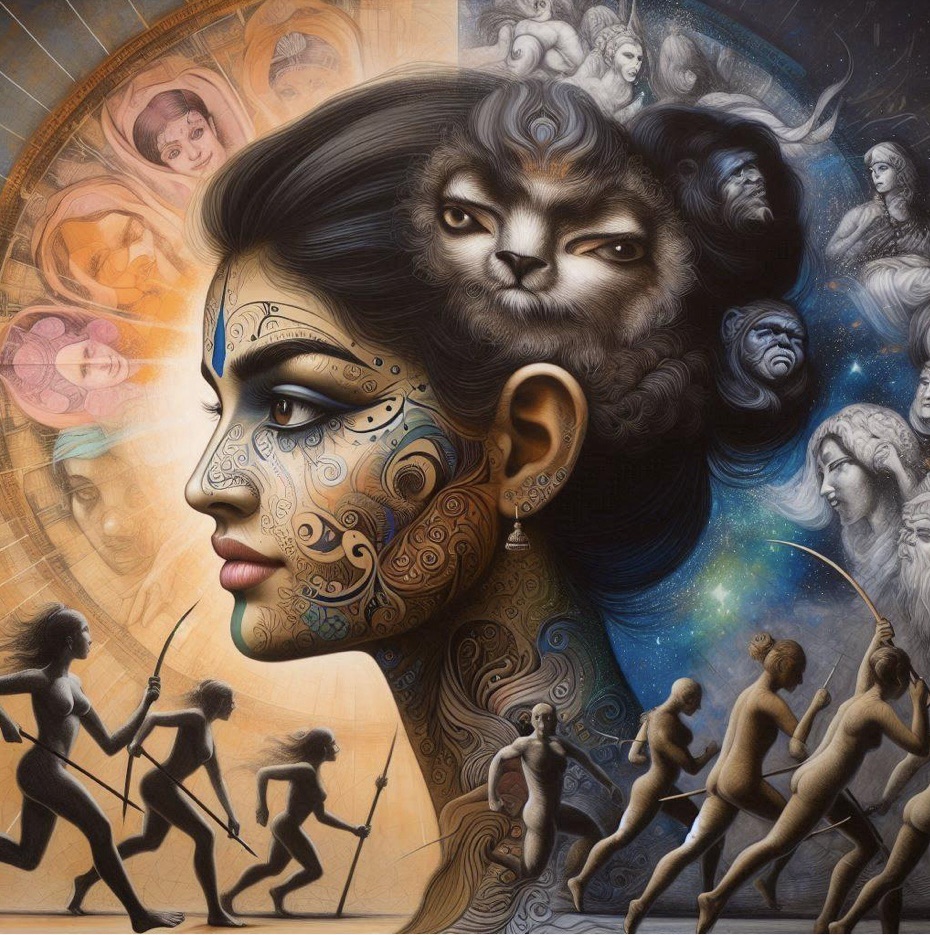
These reflections delve into the tension between human nature and societal norms, exploring themes like love, lust, sex, and morality. This tension is rooted in our dual existence as both animals and social beings. By nature, humans have animalistic instincts, yet society imposes ethical and moral frameworks to guide behavior.
At the core, humans are driven by instincts similar to animals, feeling affection and attraction to many rather than one. However, societal norms, often reinforced by religious teachings, dictate monogamy and faithfulness. This creates an internal conflict: the heart’s desires versus societal expectations.
Religions and moral teachings offer varied perspectives. For instance, controversial figures like Rajneesh have challenged traditional norms, suggesting that attraction to multiple partners is natural. Despite such viewpoints, societal stability depends on controlled behavior and responsibility within relationships. Physical relationships outside marriage can cause familial strife, leading to broader social issues.
Balancing these natural desires with societal expectations is challenging. Some individuals maintain discipline, staying faithful to their partners despite natural attractions. This requires strong moral resolve. However, not everyone can adhere to these norms strictly.
A potential solution lies in developing deep, respectful, non-physical relationships with others. Engaging in meaningful connections, sharing thoughts, and participating in mutual interests can provide fulfillment without violating societal norms. Such relationships foster respect and love, creating a bond that transcends physical attraction.
In conclusion, while human instincts are powerful, respecting societal norms and maintaining discipline are crucial. Developing platonic relationships filled with respect and mutual interests can offer deeper satisfaction than fleeting physical encounters. This approach honors societal expectations while acknowledging human nature, aiming for harmony and personal fulfillment.
Guchi.
 Improve Your Life