Lohri, a grand festival celebrated predominantly in North India, holds its roots firmly in the vibrant culture of Punjab, but its joyous embrace extends to Delhi, Haryana, and Himachal Pradesh, where people revel in the festivities with equal vigor. In North India, Hindus, Sikhs, Christians and Muslims celebrate Lohri alike making it a very secular function. As the chilly winter bids adieu, Lohri heralds the arrival of spring, infusing the air with a sense of warmth and renewal.
Beyond the seasonal transition, Lohri is steeped in historical and cultural significance. The festival pays homage to Dulla Bhatti, a legendary Muslim hero during the reign of King Akbar. Dulla Bhatti was known for his Robin Hood-esque persona, stealing from the affluent to distribute wealth among the less fortunate. The heartwarming Lohri songs often echo praises for Dulla Bhatti, as Punjabis express their gratitude for his benevolent deeds.
In the spirited celebration, the melodious notes of the iconic Punjabi song “Sunder Munderiye, Tera Kaun Bichara Dulla Bhatti Wala” resonate through the air. As per the folklore Sundari and Mundari were two Hindu sisters who were rescued by Dulla Bhatti from their Muslim abductors and later he organised their proper marriage. This lively folk tune adds a musical cadence to the festivities, recounting the tales of Dulla Bhatti’s generosity and the indomitable spirit of the people. It becomes a soundtrack to the festival dance and joyous gatherings around the bonfires, infusing the celebration with the spirit of Punjabi folk traditions. In undivided India Lohri was celebrated by Hindus, Sikhs and Muslim alike, however after the partition of India Lohri festival is being celebrated in India only. It is learnt that some social groups in Pakistan have started celebrating Lohri now. In fact wherever Indian diaspora exists in the world, Lohri is being celebrated there, especially in countries such as USA, Canada and UK thus making it an international festival. Elderly people also use this festival to celebrate important events during the proceeding year like marriage of their wards as also birth of their grandchildren.
Another facet of Lohri involves celebrating the sun’s movement towards the north, known as Uttaryan, signifying the end of the winter solstice (Dakshinayan). This transition is considered highly auspicious, marking a time of renewed energy and optimism as the sun begins its journey northward.
As the New Year ushers in, India transforms into a festive tapestry, with Lohri casting its warm glow in the North. While the South engages in the exuberant Pongal celebrations, Gujarat comes alive with the vibrant kite festival known as “Uttarayan.” Additionally, in Madhya Pradesh, Lohri takes the form of Sukarat, and in the North-East, it finds resonance as Bihu.
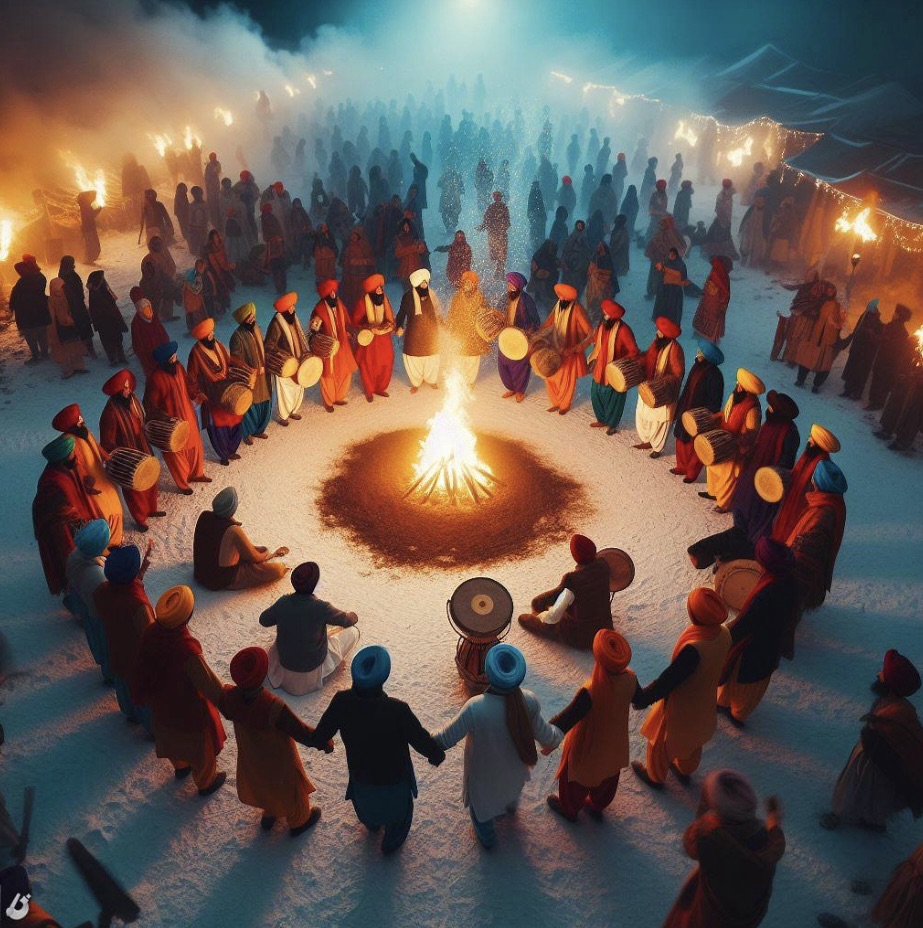
On the eve of Lohri, communities come together to light bonfires, a symbolic act that represents the triumph of light over darkness. Around these crackling flames, people dance and sing traditional songs, fostering a sense of unity and joy. The air is filled with the delectable aroma of jaggery and sugar-based snacks like Rewari and Gachak. Gachak, a chocolate-like treat made from jaggery, peanuts, and seeds, not only tantalizes the taste buds but also serves as an antidote to the lingering winter chill.
As families and friends gather, Lohri becomes a celebration of shared warmth and prosperity, a festive ode to the resilience of spirit in the face of winter’s cold embrace. With the Punjabi song echoing in the background, it’s a time-honored tradition that weaves together history, culture, and the joy of community, creating an enduring tapestry of celebration that marks the beginning of a new chapter.
Guchi.
 Improve Your Life