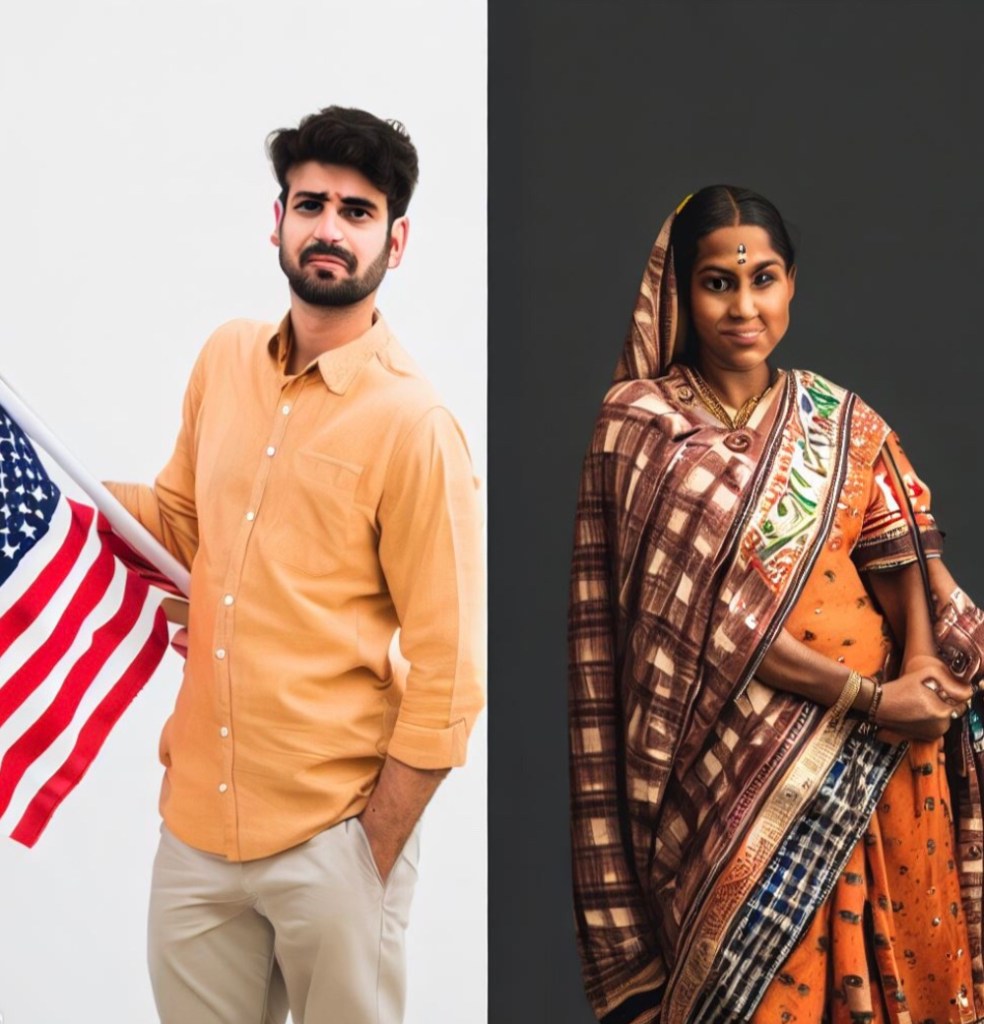
Traveling often offers a unique opportunity to observe and understand the cultural differences that exist across the world. A visit to the United States, in comparison to India and other parts of Asia, reveals distinct lifestyle disparities. This article delves into some interesting observations made during a visit to the USA, focusing on five key aspects: clothing habits, handkerchiefs versus tissue papers, use of toilet paper in bath rooms, attire in public places, and household help availability.
1. Clothing Care Habits:
In the United States, one striking difference is the approach to clothing care. After laundry, it is common for Americans to simply fold their clothes without ironing them. In contrast, in India and various Asian countries, clothes are typically given to dhobis or washermen for professional ironing. Several factors contribute to this divergence:
– Fabric Type: American clothing often features fabrics that are designed to be wrinkle-resistant, reducing the need for ironing. This is particularly true for casual wear.
– Cost of Services: Ironing and dry cleaning services can be relatively expensive in the USA compared to countries in Asia, making it less common to utilize such services routinely.
– Availability of Labor: The presence of a washerman or ironing service may be less common in the USA due to a smaller workforce specializing in these tasks.
2. Handkerchiefs vs. Tissue Papers:
A significant distinction in personal hygiene practices is the use of tissue papers in the USA versus carrying and using handkerchiefs in India and parts of Asia. This difference can be attributed to several factors:
– Convenience: Tissue papers offer the convenience of single-use and disposal, which is seen as more hygienic, especially in public spaces.
– Sanitary Concerns: Tissue papers are seen as a more sanitary option as they are disposable, reducing the risk of germs and allergies associated with reusable handkerchiefs.
– Cultural Shift: Modernization and environmental awareness have also played a role in the shift towards disposable tissue papers in the USA.
3. Bathroom Hygiene Practices:
One more intriguing contrast in daily life habits between Asian countries and the USA is the approach to bathroom hygiene. In many Asian countries, it is common to find health faucets, also known as bidets, in bathrooms. These devices provide a stream of water for cleaning after using the toilet, reducing the need for toilet paper. In the USA, on the other hand, toilet paper rolls are the primary means of personal hygiene in the restroom. This distinction can be attributed to various factors:
– Cultural Traditions: The use of health faucets in Asia has deep cultural roots, with many considering water to be a more effective and hygienic means of cleaning.
– Environmental Considerations: Health faucets are often seen as a more environmentally friendly option, as they reduce the consumption of toilet paper, which is derived from trees.
– Availability and Infrastructure: The prevalence of health faucets in Asian bathrooms is influenced by the availability of plumbing infrastructure that supports these devices.
– Personal Preference: Bathroom hygiene practices can also be a matter of personal preference, and individuals may choose one method over the other based on what they are accustomed to.
– The choice between health faucets and toilet paper in bathroom hygiene practices reflects a blend of cultural traditions, environmental concerns, and infrastructure availability.
4. Attire in Public Places:
Another noticeable contrast is the attire worn by people in public places, such as malls and entertainment venues. In the USA, it is common to find individuals dressed informally in shorts, t-shirts, and sandals or slip-on shoes. In India and many Eastern countries, people often dress up in shirts, trousers, and proper leather shoes. This difference is influenced by several factors:
– Climate: The USA, especially in warmer regions, encourages casual clothing due to its climate, while Asian countries may have varying climates that necessitate more formal attire.
– Cultural Norms: The perception of dressing formally for public outings may vary based on cultural norms and expectations in each region.
– Lifestyle: The American lifestyle often emphasizes comfort and informality, which reflects in their clothing choices.
5. Household Help Availability:
A notable distinction is the prevalence of household help or maids in India compared to the USA. This can be attributed to several factors:
– Labor Costs: Labor is more expensive in the USA, making hiring household help less common and more of a luxury.
– Self-sufficiency: American households are often equipped with modern appliances and conveniences that reduce the need for full-time help.
– Cultural Differences: Cultural expectations and social norms also influence the availability and use of household help in different countries.
Conclusion:
Traveling abroad provides valuable insights into the diverse cultural practices and lifestyle choices that shape our world. The observations made during a visit to the USA, in comparison to India and Asia, highlight the influence of factors such as fabric types, cost of services, convenience, climate, cultural norms, and labor costs on daily habits and practices. These disparities serve as a testament to the rich tapestry of global cultures and lifestyles, each with its own unique characteristics and preferences.
Guchi.
 Improve Your Life