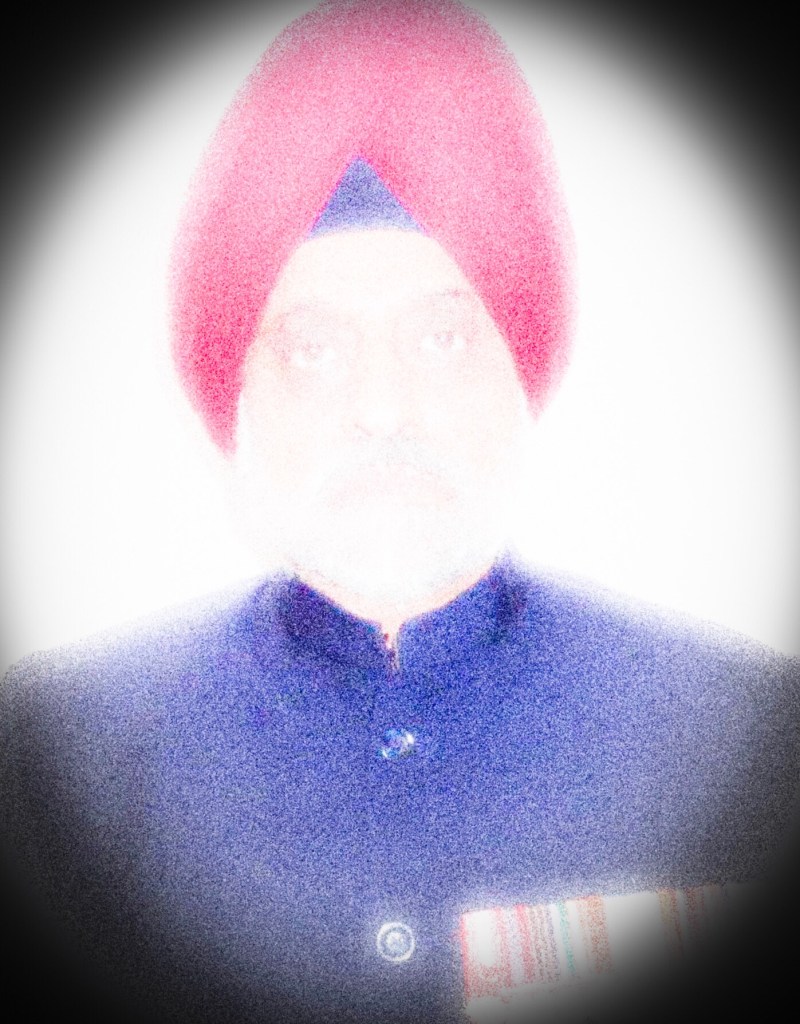
Once upon a time, in a small town, lived a retired military officer (veteran) who had served his country with great honour and dedication. Throughout his four decades of illustrious military career, he had served the Nation well in operations, ‘no-war no-peace’ and other active assignments. Post retirement he tried to maintain contact with his military roots with most fauzi forums like regimental groups, course-mates and station establishments. However, as time went on, these gatherings started getting mundane and repetitive. The spirited veteran started getting a feeling of being not so wanted in these
During these social gatherings, both retired and serving officers were expected to come together to gain from each others’ experience. The younger serving officers, unfamiliar with his accomplishments, would often ask about his credentials. The veteran would sincerely narrate his achievements, reciting tales of his military exploits with passion and pride. However, he couldn’t help but notice a subtle disconnect in the body language and facial expressions of the serving officers.
It seemed that no matter how captivating the stories were, the response he received was underwhelming. It was as if the younger officers didn’t fully grasp the magnitude of his experiences or appreciate the sacrifices made during his service. Or they were too busy to learn from the past. The senior veteran couldn’t help but feel a sense of disappointment, as if his stories were falling on deaf ears.
After engaging in the customary small talk with the older retired officers, the younger officers would politely excuse themselves, moving away to converse with their peers. Left behind, the retired veterans and his fellow mates would find solace in their own conversations, reminiscing about the glory days and reiterating their achievements to one another. Yet, deep down, they knew that these tales were of little interest to the young officers.
Feeling disheartened by the lack of resonance his stories had with the younger generation, the retired veteran made a bold decision. He decided to bid farewell to these gatherings, realizing that he no longer needed to explain that he was once a “king” in his field. He recognized that times had changed, and the accomplishments of his era were no longer relevant or captivating to the younger officers.
With a mix of nostalgia and acceptance, the veteran embraced his decision. Instead of seeking validation from the younger generation, he focused on cherishing the camaraderie and memories shared among his fellow retirees. They formed their own tight-knit community, finding joy in each other’s company and relishing the tales of their shared experiences.
In his newfound solitude, the veteran discovered contentment. He understood that his legacy would live on through the bonds he had formed and the impact he had made during his years of service. It was time to let go of the need to prove himself and simply enjoy the peaceful rhythm of retirement.
And so, he embarked on a new chapter of his life, embracing the present and leaving behind the need to constantly reaffirm his past accomplishments. As he settled into a life of quiet satisfaction, he found that true fulfilment came not from impressing others, but from finding peace within himself and cherishing the memories that shaped him.
Guchi.
 Improve Your Life