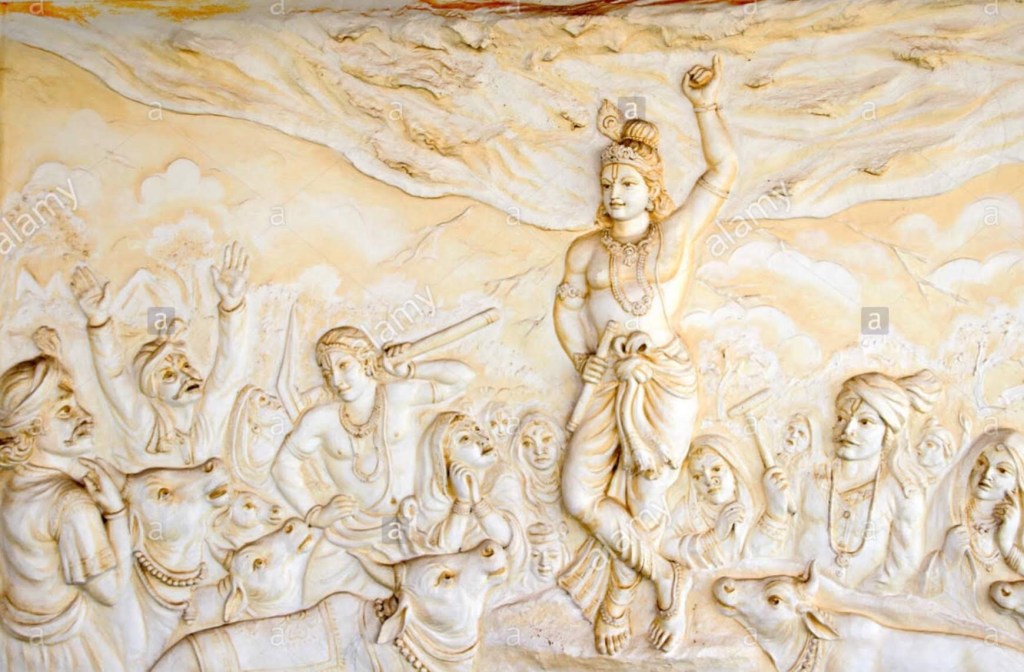
Dharma, often misunderstood as religion, holds a profound meaning that transcends mere religious boundaries. Originating from a Sanskrit word and deeply rooted in ancient Indian philosophy, Dharma emerged during the tumultuous times of the Mahabharata war. In this epic tale, Arjuna’s wavering conviction was guided by Lord Krishna, who imparted the essence of Dharma. As revealed in the Bhagavad Gita, Dharma encompasses the notion of cosmic order and harmony, extending beyond the physical realm to the soul. By understanding the five pillars of Dharma and implementing them in our lives, we can cultivate righteousness, fairness, and a deep sense of responsibility.
1. Knowledge: The foundation of Dharma lies in acquiring knowledge and wisdom. It involves seeking truth, learning from scriptures, and gaining a comprehensive understanding of one’s duties and responsibilities. By pursuing knowledge, we equip ourselves with the tools to make informed decisions that align with righteousness and moral values.
Example: A student diligently studying his discipline of academic contents to gain knowledge which would ensure to understand the complexities of the worldly situations and their rightful solution.
2. Patience: Patience is a vital aspect of Dharma that helps us navigate challenges and trials without succumbing to impulsiveness or haste. It allows for thoughtful reflection and the ability to choose the path of righteousness, even in the face of adversity.
Example: A teacher displaying patience while guiding a struggling student, providing support and encouragement to foster growth.
3. Justice: Dharma places great emphasis on justice and fair play. It encourages individuals to act with integrity, ensuring their actions do not harm or infringe upon the rights of others. Upholding justice contributes to a harmonious society built on principles of equity and compassion.
Example: A judge delivering a fair verdict, considering all evidence and treating every individual equally before the law.
4. Love: Love serves as a driving force behind Dharma, promoting kindness, empathy, and compassion towards all living beings. It encourages us to foster harmonious relationships and extend a helping hand to those in need.
Example: A nurse offering care and support to patients, demonstrating unconditional love and empathy in their healing journey.
5. Dedication: Dedication fuels the pursuit of Dharma by instilling a sense of responsibility and commitment towards fulfilling one’s duties and obligations. It involves devoting oneself wholeheartedly to the chosen path, with unwavering determination and perseverance.
Example: A scientist dedicating countless hours to research, driven by a passion to make groundbreaking discoveries for the betterment of humanity.
By embracing the principles of Dharma in our day-to-day lives, we invite contentment, bliss, and inner peace. Dharma teaches us to remain true to our commitments, uphold justice, honor our word, and preserve the environment and society. It inspires us to lead righteous, disciplined lives while nurturing good values in future generations. Through loyalty to our family, society, and country, we contribute to a harmonious world. Let us imbibe Dharma’s teachings, guided by the blessings of the divine, and embark on a journey of righteousness and fulfillment.
May the path of Dharma lead us to a life of serenity and benevolence.
Guchi.
 Improve Your Life