In the Mahabharata, one of the greatest ancient Indian epics, the announcement of Ashvatthama’s death played a significant role in the Kurukshetra war between the Kauravas and the Pandavas. Ashvatthama was a powerful warrior and the son of Dronacharya, the royal guru of both the Kauravas and the Pandavas.
During the final stages of the war, the Pandavas faced a formidable challenge in defeating Ashvatthama, who possessed extraordinary skills and was considered invincible. Realizing this, Krishna, who was acting as the charioteer and advisor to the Pandava prince Arjuna, devised a plan to break the Kaurava’s morale and create an opportunity for the Pandavas to gain an advantage.
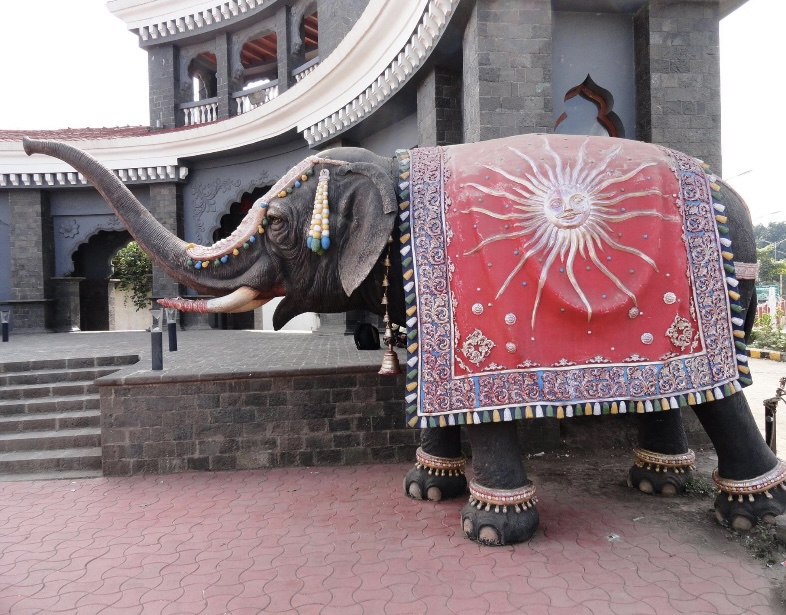
Krishna and the Pandavas knew that Dronacharya’s love for his son was immense, and his demise would deeply affect him. So, they decided to spread a false rumor that Ashvatthama had been killed. To add credibility to their claim, they chose an elephant with the same name, Ashvatthama, and announced its death loudly on the battlefield.
Yudhishthira, the eldest of the Pandavas and known for his adherence to truth, agreed to participate in this deception to achieve their ultimate goal of establishing righteousness. Despite his initial hesitation, Yudhishthira, known for his impeccable integrity, agreed to tell a half-truth: “Ashvatthama is dead,” followed by a whisper almost inaudible to the Kauravas, “the elephant.”
The news of Ashvatthama’s death quickly spread among the Kauravas, and Dronacharya, who heard the announcement, was struck with grief. Yudhishthira’s words, intentionally misleading, created confusion, as they allowed the Kauravas to believe that it was Ashvatthama the warrior who had died. This strategic move effectively shattered Dronacharya’s will to fight and lowered the morale of the Kaurava army.
Taking advantage of the opportunity, the Pandavas launched a fierce attack and ultimately defeated the Kauravas, leading to their victory in the war. However, the tactic used by the Pandavas raises ethical questions and is often debated. While it can be seen as a necessary strategy in the context of war, it also highlights the complexities of truth, deception, and the moral dilemmas faced during times of conflict.
The story of Ashvatthama’s death announcement showcases the intricate narrative of the Mahabharata, where the lines between right and wrong are often blurred, and characters face difficult choices in pursuit of justice and righteousness.
In modern day life, here are some examples of when it might be necessary to tell a lie:
• To protect someone from harm. If someone is in danger, it might be necessary to lie to them in order to keep them safe. For example, if a child is about to run into the street, you might lie and say that there is a car coming, even if there isn’t.
• To spare someone’s feelings. Sometimes, the truth can be hurtful. If you know that telling someone the truth will cause them pain, it might be kinder to lie.
• To avoid conflict. Sometimes, telling the truth can lead to conflict. If you know that telling someone the truth will start an argument, it might be better to lie.
It’s important to note that these are just a few examples. There are many other situations in which it might be okay to tell a lie. However, it’s important to use your judgment and to only lie when you believe that it’s the right thing to do.
Guchi.
 Improve Your Life