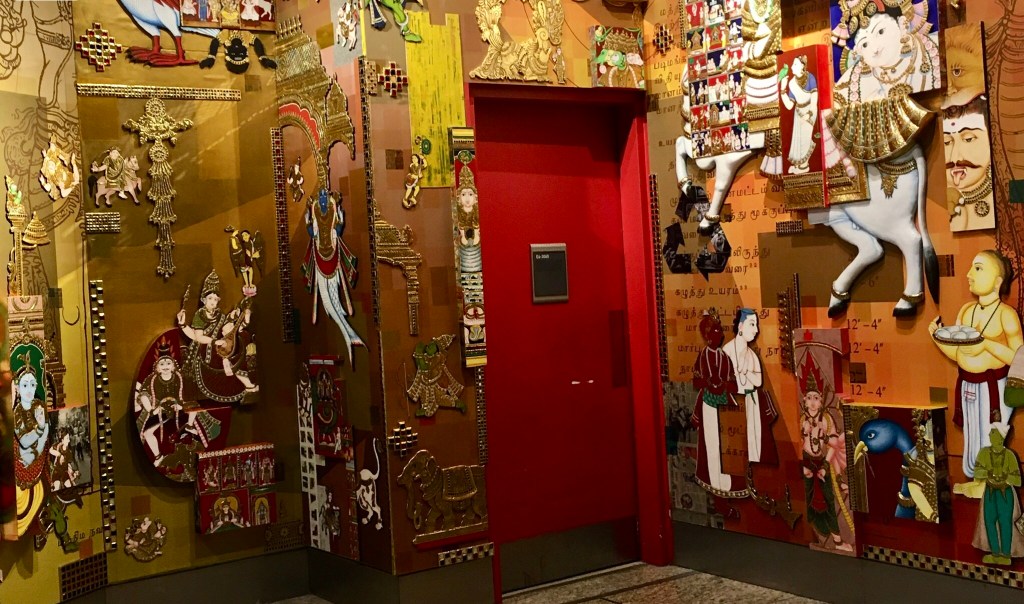
Culture is an intricate and significant aspect of human life, shaping the way we interact with each other and the world around us. It is a flower that blossoms from the soil of our humanity, drawing nourishment from our experiences, beliefs, and traditions. However, creating new culture, constructing the future, and transforming people’s destiny all begin with the inner transformation of the individual. This transformation is the result of good sanskar, good education, and an understanding of the value system of a particular culture.
Indian culture is renowned for its emphasis on moral values, spirituality, and respect for all living beings. The Indian way of life is built on the foundation of dharma, which emphasizes the importance of righteous conduct, duty, and compassion. These values are deeply ingrained in the Indian psyche, and they serve as a guide for individuals to lead a fulfilling life. Unfortunately we in India have forgotten our Culture and many of us follow the path of accumulation of wealth by any means. We no longer teach our children about the great principles and Sansakrs of the Indian culture and civilisation devoid of which the individual transformation is always in the wrong direction.
One of the most critical aspects of Indian culture is its emphasis on respecting each other. Indian culture teaches us to treat others with respect, regardless of their social status, ethnicity, or religion. This value is rooted in the concept of Vasudhaiva Kutumbakam, which means the world is one family. This belief emphasizes that all human beings are interconnected and should live in harmony with each other.
Another important value in Indian culture is earning our livelihood by honest means. Indian culture places a high value on hard work, integrity, and ethical behavior. It believes that one should earn a living through honest means and never resort to deceit or fraud.
Indian culture also emphasizes charity and the welfare of the poor. It is believed that helping those in need is one’s duty and a path to enlightenment. This value is reflected in the concept of Seva, which means selfless service. The act of helping others without expecting anything in return is considered the highest form of Seva.
Moreover, Indian culture believes in the well-being of the entire world, including living beings, animals, vegetation, flora, and fauna. It values nature and its role in maintaining equilibrium in all spheres, ecosystems, and the environment. This belief is reflected in the concept of Ahimsa, which means non-violence. It emphasizes that one should not cause harm to any living being and live in harmony with nature.
Indian culture also aims at Sarve Bhavantu Sukhinah, which means everyone should be happy, healthy, and prosperous. This belief emphasizes that the ultimate goal of life is to attain happiness and well-being, not only for oneself but also for others.
Thus the transformation of an individual is crucial for the creation of new culture, construction of the future, and the transformation of people’s destiny. Indian culture provides a framework for this transformation through its emphasis on moral values, spirituality, and respect for all living beings. It teaches us to live a life of integrity, compassion, and selfless service, which not only benefits us but also contributes to the well-being of the entire world. Thus, by embracing the values of Indian culture, one can lead a fulfilling life and contribute to the betterment of society. The need of the day is to teach our children about Indian Culture and Sanskars which would usher in the transformation of the individual ultimately leading to upliftment of the society, country and the world.
Guchi.
 Improve Your Life