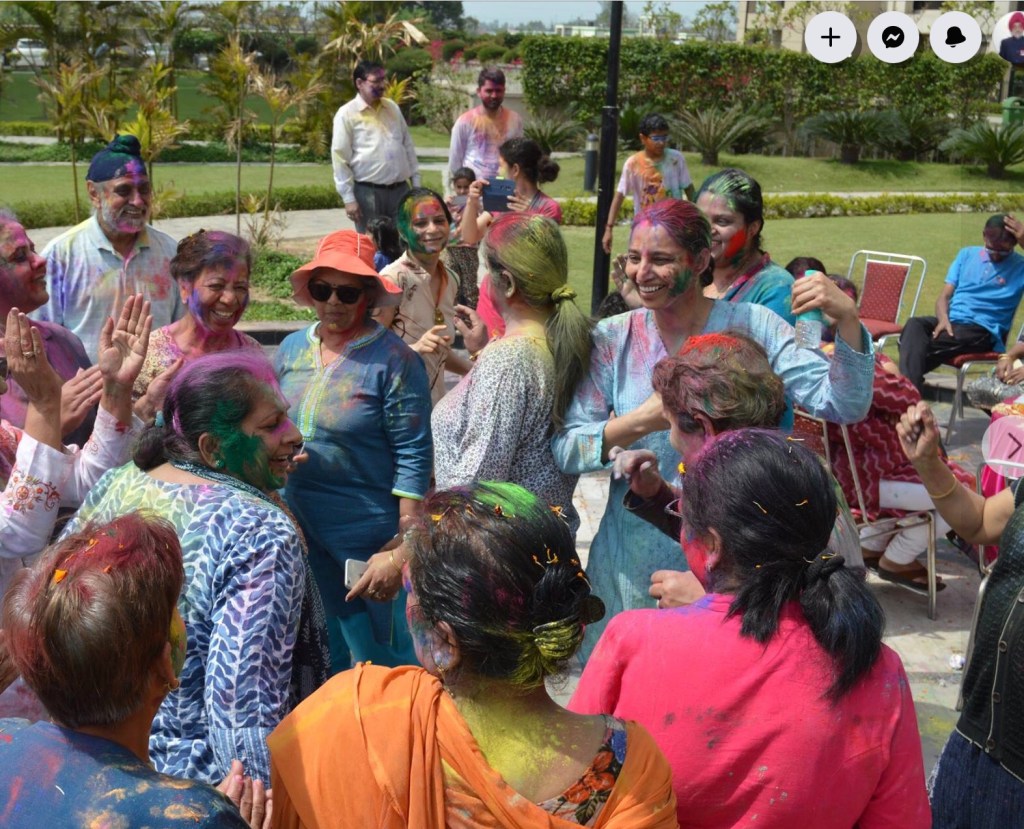
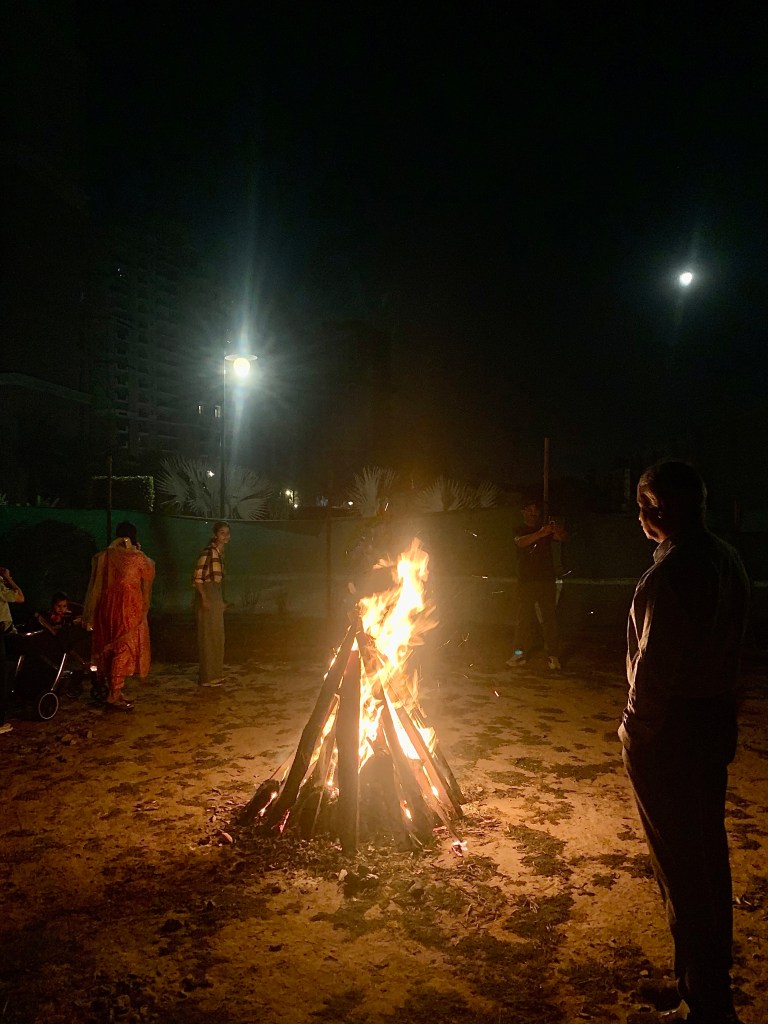
Holika Dahan and Holi are two important festivals celebrated in India. Here are a few facts about them:
1. Holika Dahan: Holika Dahan is celebrated on the full moon day (Purnima) in the Hindu month of Phalguna, which usually falls in February or March. It marks the victory of good over evil, as it is believed that on this day, Holika, the demoness, was burnt by Lord Vishnu to save his devotee Prahlad.
2. Holi: Holi, also known as the festival of colors, is celebrated on the day after Holika Dahan. It is a spring festival that marks the end of winter and the beginning of spring. People smear each other with colored powders, dance, sing and exchange sweets.
3. Legends behind Holi: Holi is associated with several legends, the most popular being the story of Lord Krishna and Radha. According to the legend, Lord Krishna loved to play pranks with Radha and her friends, and he would smear them with colors. Hence, Holi is also known as the festival of Radha and Krishna.
4. Celebrations: Holi is celebrated with great enthusiasm all over India, especially in the northern states of Uttar Pradesh, Bihar, and Rajasthan. People throw colored powder and water at each other, sing and dance to traditional folk songs, and enjoy sweets and special delicacies.
5. Significance: Holi is a time to forget past grievances and come together to celebrate. It is a symbol of unity and brotherhood, and it brings people of all ages, castes, and communities together.
6. Safety precautions: While Holi is a fun-filled festival, it is important to take some safety precautions. It is advisable to use organic colors to prevent skin allergies, eye infections, and other health problems. Also, it is important to be mindful of others’ boundaries and avoid forcing anyone to participate in the festivities if they don’t
Guchi.
 Improve Your Life